🥓 Pork was just restocked, and we've got it all for you. SHOP PASTURED PORK.

Pastured Poultry: Why Our Feathered Friends Are the Best of the Bunch

written by

Anonymous

posted on

August 29, 2024

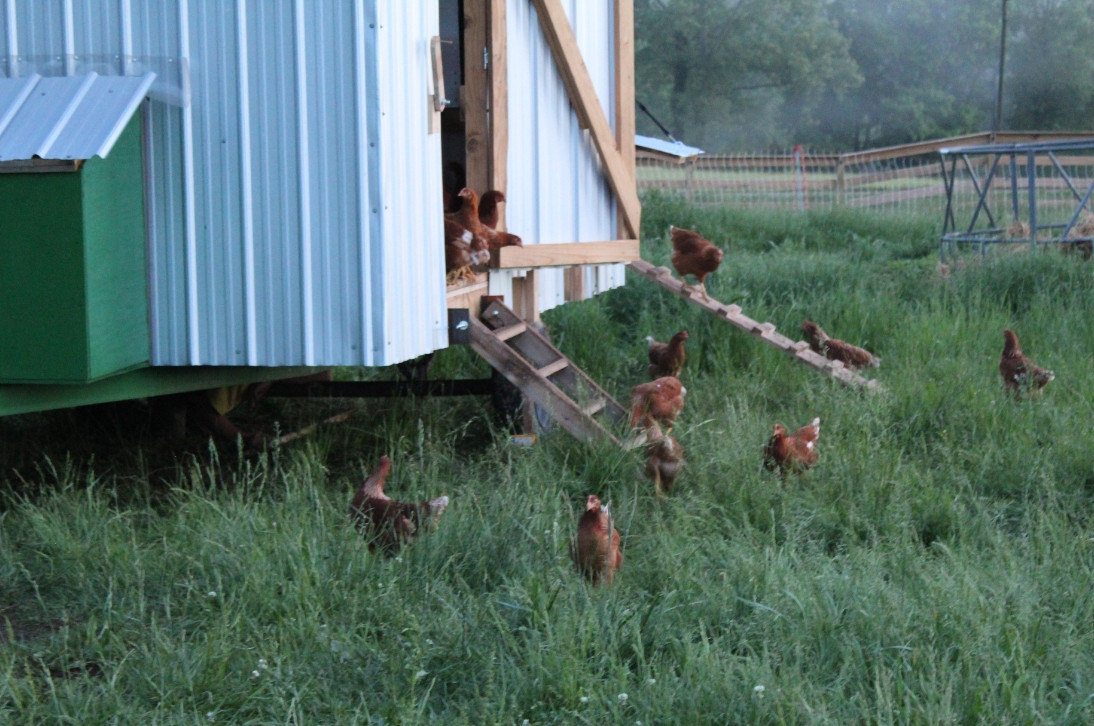
2-Coots-Chickens.jpg

At 2 Coots Ranch, we’re all about serving up the finest, most delicious food straight from our family to yours. When it comes to poultry, we’re pretty excited about our pasture raised birds—and here’s why they’re the cream of the crop for your health and the environment.

The Health Benefits of Our Pastured Poultry: Why It’s the Top Pick

1. Nutrient-Rich and Delicious

Our pastured poultry aren’t just roaming for fun—they’re out there munching on a varied diet of grasses, seeds, and bugs. This natural feast means they produce meat that’s brimming with nutrients. Expect higher levels of Omega-3s, Vitamin E, and antioxidants. Every bite packs a nutritious punch that’s as good for you as it is tasty.

2. Lean, Tender, and Flavorful

Our pastured poultry is tender and juicy, thanks to their active lifestyle and wholesome diet. The result? Flavor that pops with every bite. It’s like a home-cooked meal where every piece of meat tastes like it’s been seasoned by nature itself.

3. Top-Notch Protein

If you’re after high-quality protein, look no further. Our pastured poultry delivers the goods with protein that’s not only rich but also easily digestible. This means you’re getting more of the essential amino acids your body needs to stay strong and healthy.

The Environmental Benefits of Our Pastured Poultry: Good for the Planet

1. Sustainable and Eco-Friendly

We take pride in our commitment to sustainable farming practices. Our pastured poultry are raised on land that’s managed with care to boost soil health and support biodiversity. Rotational grazing helps keep the land lush and vibrant, meaning we can keep our land pesticide free. Their natural manure fertilizes the soil. Plus, the balance of the ecosystem helps keep everything running smoothly, from the plants to the wildlife. It’s a win for both the environment and our feathered friends.

3. Carbon-Capturing Pastures

Healthy pastures are great at capturing carbon dioxide from the atmosphere. By managing our pastures well, we enhance their ability to act as carbon sinks. It’s our way of helping fight climate change while providing you with top-quality poultry.


Why 2 Coots Ranch? Because We Care About Quality and You

When you choose our pastured poultry, you’re choosing meat that’s raised with love and care. We’re dedicated to providing you with a product that’s as good for the planet as it is for your plate.

So, why not give our pastured poultry a try? You’ll be enjoying a meal that’s nutritious, delicious, and kind to the Earth.

Drop by 2 Coots Ranch and taste the difference for yourself. We can’t wait for you to experience the best of what we’ve got to offer!

More from the blog

Why we call it "common sense meat"

What "Common Sense Meat" Actually Means Somebody asked what "common sense meat" actually means. Fair question.Not Industrial. Not Ideological. The industrial side asks "What's cheapest at scale?" The purity side asks "What's most natural?" Well, I've got news for you. Both decided the answer before they ever looked at the animal. Common sense asks the boring question: What's actually best for this animal, this week, on this ground? Sometimes that's the old-fashioned thing. Sometimes it's not.Here's What That Looks Like on Our Ranch We give one vaccine for blackleg. It's the only disease our cattle could realistically run into, so it's the only one we bother with. Not "no vaccines ever." Not routine shots no matter what. We could get certified organic if we wanted the paperwork. We don't. We'll just tell you how we ranch. On pasture, in fresh air, skipping most of the questionable stuff. No certificate required. Just ask us. Our cows live outside on pasture. Not confined, not pampered. Just normal cow treatment. We also offer grass-finished and grain-finished beef. Ideology says pick a side and defend it. Common sense says people like different things. And guess what? Both are honest ways to raise a cow, and it's not our job to tell you your steak preference is wrong.Not a Trend. Just What Makes Sense We're not chasing a trend. We're doing what makes sense on our ground, not what makes the best label.The Real Difference Want to know the real difference? You can buy "organic" at the grocery store and still have no idea how that animal was raised. With us, you just ask. You know us. We actually answer. That's common-sense meat, from a veteran-owned ranch in Tennessee, raised by people whose word is their bond. See for yourself and shop our store today!

The great steak debate: salt only vs. marinade.

The Great Steak Debate: Salt Only vs. Marinade. We'll say it plainly. If you're marinating a good steak, we think you're covering something up. Not you personally. We don't know your steak. But statistically, probably. Here's our logic, and we'll defend it. Why Marinades Exist (And Why You Don't Need One) A marinade exists to do two things: tenderize a tough cut, or mask a flavor you don't want to taste. That's it. Those are the only two jobs it has. Neither of those is a problem you have with a good ribeye or sirloin. The tenderness is already there. The flavor is the whole point. Soaking it in a bag of soy sauce and brown sugar for six hours is like painting over a countertop made of good wood. You're hiding the thing you paid for. To be fair, there are cuts where a marinade makes sense. Flank steak, skirt steak, cuts that work hard during the animal's life and have a coarser grain. Those cuts benefit from a marinade. We're not touching that argument. This is a ribeye and sirloin debate only. What Salt Actually Does Salt doesn't hide anything. It amplifies. Here's what actually happens when you salt a steak properly: the salt pulls moisture to the surface. That moisture dissolves the salt. Then it gets reabsorbed back into the meat, seasoning it from the inside out — not just sitting on top of it like a coat you never took off. Give it 40 minutes before it hits the grill. That's the whole trick. Forty minutes of patience does more for a steak than any marinade recipe we've ever read the ingredient list on. And with pasture-raised beef? The flavor is already doing the heavy lifting. Our cattle live outside, eat a varied diet of grasses and forage, and develop real, deep beef flavor because of it. Salt lets that flavor come through. A marinade buries it. Why This Matters More With Good Beef Here's something worth knowing. Conventional grocery store beef tends to hold more water. Feedlot diets and industrial processing add moisture to the meat. That extra moisture works against you when you're trying to get a good sear or develop real flavor. Pasture-raised beef has less water and more flavor. Which means salt does its job better, the sear comes faster, and the crust forms cleaner. The beef is doing more of the work before you even season it. Starting with good beef and finishing with salt isn't a shortcut. It's the right call. We Know Some of You Disagree We've been informed, more than once, that we are wrong about this. Boring, even. Possibly un-American. So make your case. If you're Team Marinade on a ribeye or sirloin, we genuinely want to hear why. Chimichurri people, we especially want to hear from you — that's the one argument that gives us pause and we'll admit it. Leave a comment, reply to our newsletter, or shoot us an email. We read every one of them and might just feature the best rebuttal in a future post. Choose your words like you're going on the record. Salt only on a good steak. That's where we stand. For now. Looking For A Steak Worth Debating Over? Shop our ribeyes and sirloins here.

We got 72 new heifers! Doing out part to help rebuild the US beef herds.

We Bought 72 Heifers — Here's the Bigger Picture We went to buy 65 heifers last week. Came home with 72. Kim says I have a problem. But there's a real story behind why we did this. It's bigger than just adding to our herd. If you've noticed beef prices climbing at the grocery store lately, this post is going to explain a lot. The US Cattle Herd Is at a 57-Year Low Most people don't realize how serious the state of the US cattle supply is right now. The national herd is at its lowest point in 57 years (and some say even longer). And it didn't happen overnight. A few years back, wildfires in Texas wiped out hundreds of thousands of cattle in one of the biggest ranching regions in the country. Those animals don't get replaced quickly. Rebuilding a herd takes years. A heifer has to grow, breed, have a calf, and that calf has to grow before the numbers start moving in the right direction. The ripple effect of that loss is what you're feeling at the grocery store every time you buy beef. Supply is down. Prices are up. And it's going to take time and a lot of ranchers making long-term investments to turn it around. Why We Bought 72 Heifers Most of these heifers and their calves (we'll breed them naturally with our South Pole bull) will eventually be sold to other beef farmers to help rebuild their herds (anyone who's looking can contact us here). That's how you move the needle on a 57-year low. One ranch at a time. We won't sugarcoat it. Good stock isn't cheap right now. These girls weren't far off $3,000 a head. Multiply that out and you're talking about a significant investment before a single calf hits the ground. And the payback period? It's long. Here's what that actually looks like: A heifer typically doesn't breed until she's around 15 months old. She carries a calf for 9 months. That calf is born, raised, and if it's a heifer herself, she won't be ready to breed for another 15 months after that. If the calf is destined for beef, you're looking at 18-24 months before it's ready for harvest. From the day we bought these girls to the day we see a meaningful return... we could easily be looking at 2-3 years. Minimum. That's not a complaint. That's just the reality of the cattle business. It's a long game, and you have to be willing to play it. Kim and I are truly blessed to be in a position where we can make that kind of investment and sit with it. Not everyone can, and we don't take that lightly. We're doing this because we love this land, we love these animals, and we believe the beef industry is worth investing in. About That Unloading Now. About the unloading. I was told the trailer would be a ground loading trailer. It wasn't. So there we were (72 heifers, no ramp, no chute) unloading from the side. It got a little chaotic. We did the best we could with what we had and kept things as calm as possible. We got some pushback on social media about how it looked. We get it. It wasn't the prettiest unloading you've ever seen. But I'll tell you what... every single one of those girls came off that trailer just fine. Not a scratch on them. We don't use electric prods, we don't rush the animals, and we don't take shortcuts when it comes to how our cattle are treated. Ever. That's not who we are. When you're dealt a situation you didn't plan for, you adapt and you figure it out. That's ranching. They were a little skeptical on day one. By day two they'd figured out the grass was good and nobody was going to bother them. Funny how that works. Watch the Full Unloading Day We filmed the whole thing. All the action, a little Tennessee rain, and 72 heifers hitting fresh pasture for the first time. Watch Part 1 right here: If you want to keep watching: ▶ Watch Unloading Part 2 (in the rain when the stragglers get off) ▶ Watch Exciting Short Clips (for some quick highlights) Thank You for Your Support We don't take it for granted. Every order you place helps us do things like this... raise good animals, take care of the land, and do our small part for an industry that needs it. The most direct way to support what we're building here is simple: choose 2 Coots when it's time to stock the freezer. You can SHOP GRASS FED BEEF HERE. We're grateful for every single one of you.