
WHAT'S TRUE ACROSS ALL OUR ANIMALS
NEVER:
❌ Antibiotics (even when it would be cheaper)
❌ Growth hormones
❌ Confinement systems (feedlots, cages, etc.)
❌ GMO feed
❌ Soy in feed
❌ Chemical additives or preservatives
❌ Artificial colors
ALWAYS:
✓ Pasture access for their entire lives
✓ Rotational grazing (moved regularly)
✓ Low-stress handling
✓ Humane treatment
✓ Regenerative land management
✓ Natural growth rates
✓ Local small scale processing (as close as we can find who will take us and does quality butchering)
Want to know the specifics for each animal? Keep reading...

GRASS FED BEEF
Our cattle spend their entire lives on regenerative pastures, rotating to fresh ground every day. No feedlots. No confinement. Just cattle eating grass and walking around outside like they're supposed to.
All our cattle live the exact same life. The only difference is the final few weeks before harvest:
GRASS FINISHED: Continue eating 100% grass. Maximum nutrition and clean beefy flavor.
GRAIN FINISHED: Supplemented with non-GMO and soy-free feed for the final few weeks while in an outdoor paddock. The feed contains corn, canola, peanut hulls, oats, barley, sesame oil, molasses, vitamins, minerals, and probiotics. This makes beef with enhanced marbling and tenderness for a steakhouse experience.
What This Means for You:
- Beef from cattle that lived nearly their entire lives on pasture
- No antibiotics or hormones, ever
- Regenerative grazing that improves the land
- Grass Finished = Highest omega-3s, leanest meat
- Grain Finished = More marbling, more tender, easier to cook
The Bottom Line:
Both options live the same great life on pasture. Pick based on what matters most, maximum nutrition or maximum tenderness. Either way, you're getting clean meat from cattle that lived right.
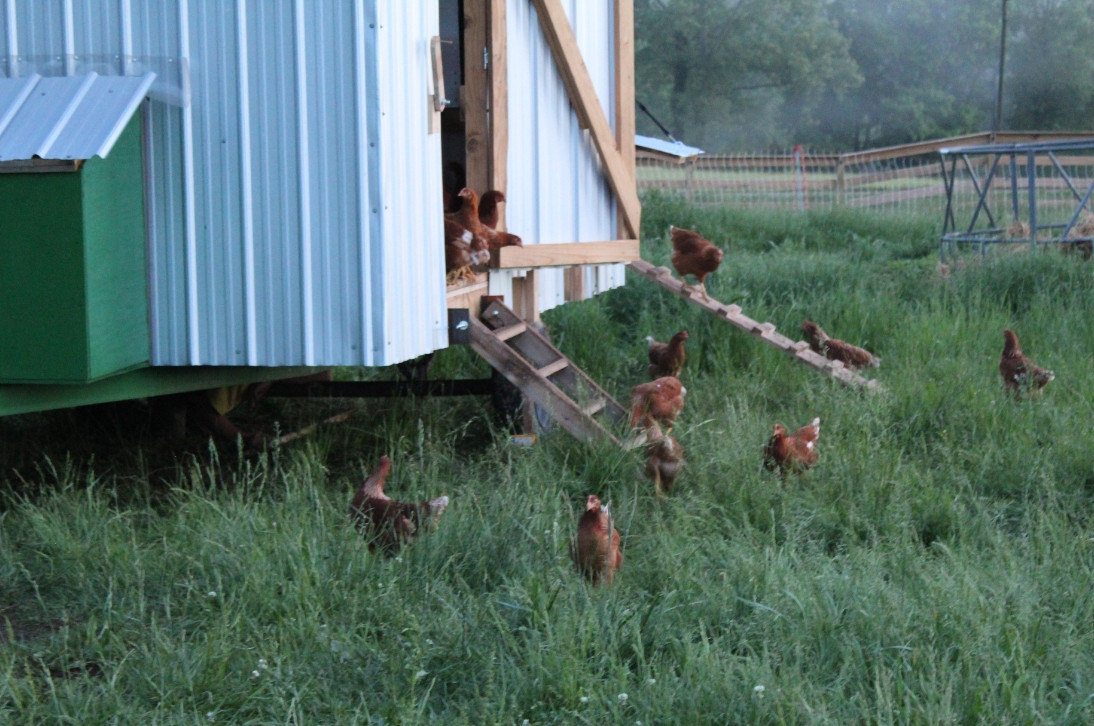
PASTURED EGGS
Our laying hens live outside on pasture. They eat grass, bugs, seeds, and whatever else they find while scratching around.
We supplement with non-GMO, corn and soy free feed, but most of their diet comes from what they forage. The feed contains field peas, milo, canola, sesame, wheat, vitamins, minerals, and probiotics.
They're moved to fresh ground every day in mobile coops, which means they always have access to fresh grass and bugs. They're protected from predators but free to roam during the day. This is how chickens are supposed to live (not crammed in cages or trapped in a barn).
What This Means for You:
- Eggs with deep orange yolks (from the diverse diet)
- More nutrients (omega-3s, vitamins A and E)
- Better flavor (you can taste the difference)
- Eggs from chickens that actually lived like chickens
The Bottom Line:
Chickens aren't vegetarians --> they eat bugs. "Vegetarian-fed" on an egg carton is marketing BS. Our chickens eat what nature intended, and you get better eggs because of it.

PASTURE RAISED PORK
Our pigs live on pasture with access to shelter. They root around in the dirt, eat grass and forage, and supplement with non-GMO feed. They have room to move, mud to wallow in, and space to be pigs.
We rotate them through different areas so they don't destroy the land. Pigs are excellent soil turners. They help us prepare ground for future grazing. They're part of our regenerative system, not just livestock.
What This Means for You:
- Pork with more flavor and better fat
- Meat from pigs that exercised and ate diverse diets
- No antibiotics or hormones
- Higher omega-3s than conventional pork
The Bottom Line:
Pigs are smart, curious animals. Raising them in confinement is lazy and cruel. We let them be pigs, and the meat is better because of it.
PASTURE RAISED CHICKEN
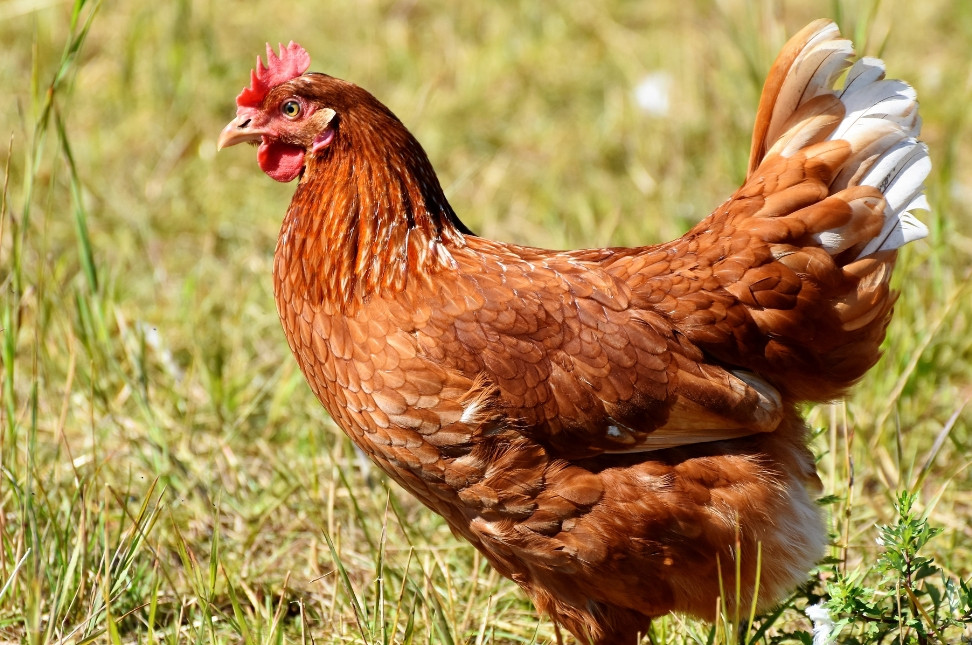
Our meat chickens live on pasture in mobile shelters that are moved to fresh ground every day. They have room to move, access to fresh air and sunshine, and space to act like chickens.
They eat grass, bugs, and whatever else they forage, plus non-GMO, corn and soy free supplemental feed. The feed contains milo, canola, field peas, wheat, sesame meal, fishmeal, kelp, vitamins, minerals, and probiotics.
Moving them to fresh pasture every few days means they're always on clean ground with fresh forage. They're part of our regenerative system. They fertilize as they go and help improve the land.
What This Means for You:
- Chicken with more flavor than the bland grocery store stuff
- More nutrient-dense meat (higher omega-3s, vitamins)
- No antibiotics or hormones
- Meat from birds that lived outside and moved around
The Bottom Line:
Most grocery store chickens live their entire lives inside a building, never seeing sunlight or eating anything but grain. Ours live on pasture, forage naturally, and grow at a normal pace. The difference shows up in both flavor and nutrition.

PASTURE RAISED TURKEY
Our turkeys live on our regenerative pastures and are moved often. They have room to move around, stretch their wings, and act like turkeys instead of production units.
They eat grass, bugs, and forage, plus non-GMO, corn and soy free supplemental feed.
We raise heritage or broad-breasted breeds slowly, no growth hormones pushing them to market weight in record time. They grow at a natural pace, which means better meat development and flavor.
Plus, we don't do anything weird with processing. No saline injections, no added flavors or colors. Just straight turkey.
What This Means for You:
- Turkey that actually tastes like turkey
- More flavorful dark meat and moist breast meat
- No antibiotics or growth hormones
- Meat from birds that lived real lives
The Bottom Line:
Most grocery store turkeys have been bred and drugged to grow so fast their legs can't support their weight. Ours grow naturally and taste like turkeys used to taste, before corporations optimized the life out of them.

PASTURE RAISED LAMB
Our sheep spend their lives on Ain't Mutton To It's pastures, grazing on grass and whatever else they find. They're moved to fresh ground regularly, which keeps them healthy and the pasture from getting overgrazed.
Sheep are excellent for land management. They can graze areas cattle won't touch and help us maintain diverse pastures. They're part of our regenerative grazing system, improving the land while producing quality meat.
What This Means for You:
- Lamb with clean, mild flavor (grass-fed lamb isn't gamey)
- Nutrient-dense meat high in omega-3s
- No antibiotics or hormones
- Meat from sheep that lived on open pasture
The Bottom Line:
Lamb gets a bad rap in America because most people have only tasted grain-finished or poorly raised sheep. Grass-fed lamb from well-managed pastures is mild, flavorful, and nothing like the gamey stuff that turns people off.
Our Word Is Our Bond
We're veteran-owned. We don't cut corners, we don't lie to make a sale, and we don't use marketing loopholes to make our practices sound better than they are. What we say is what we do.
Are you with us?
Common Sense Farming.

2 COOTS RANCH
14736 Mount Carmel Road, Decaturville, TN 38329
(731) 207-0595
Copyright © 2026 2 Coots Ranch • Payments secured by Stripe
